
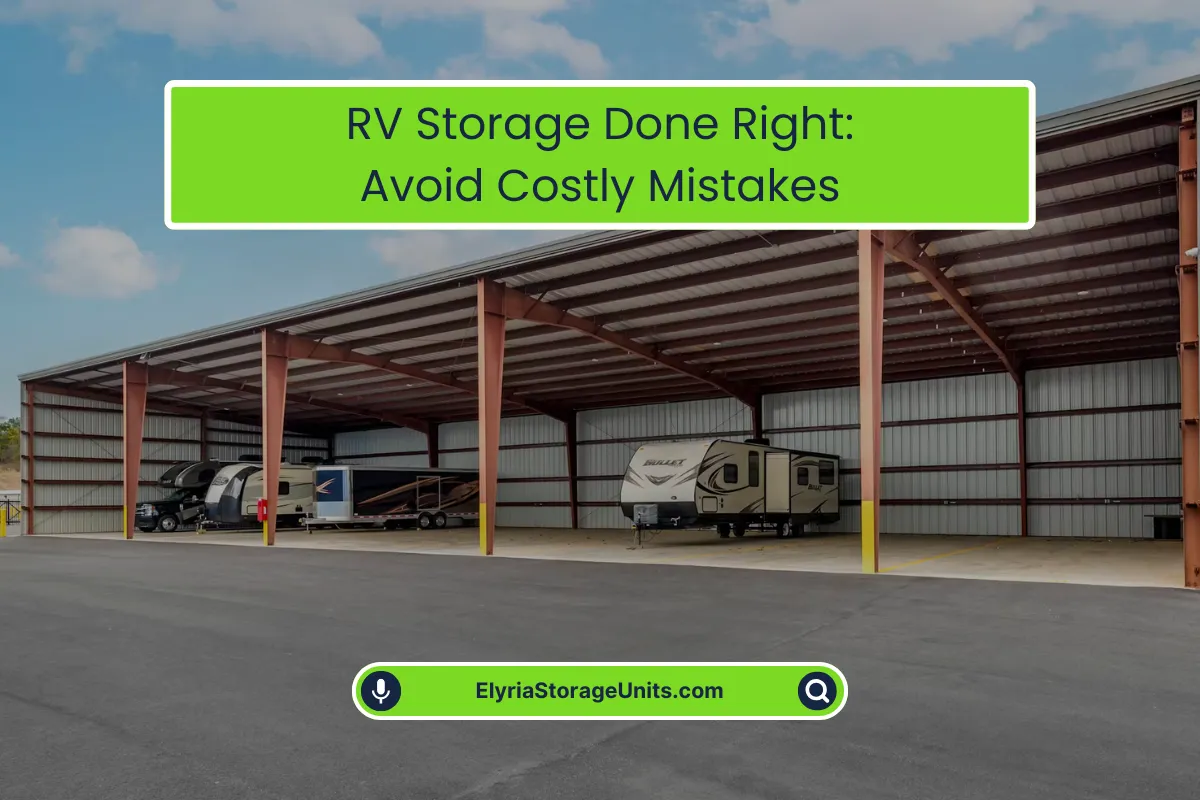
Let’s be real for a second. That last camping trip was fantastic, but now your RV is sitting in the driveway like a giant, guilty reminder of a chore you don’t want to do. And your motorcycle? It’s tucked in the garage, but you’re side-eyeing it every time you pull the car in, knowing you should really do something with it before it’s too late.
I’ve been there. I’ve made the mistakes—the dead battery in the spring, the funky smell in the RV from leftover crumbs, the flat spot on a motorcycle tire. It sucks. So, let’s just walk through this together, like a couple of neighbors figuring it out. No robotic jargon, just practical stuff.
The RV – Your Home-on-Wheels Needs a Hug Goodbye
Think of your RV as a house that also has a car’s engine. It needs both sides of its personality to be taken care of.
First up, the cleanup
I know, I know. You just got back and the last thing you want to do is clean. But trust me, this is the most important step.
- Outside: Grab the hose, a bucket, and some soap. Get all the bug guts and road grime off. It’s not just about it looking nice. That garbage is acidic and will slowly eat away at your paint and seals if you let it sit all winter. Just one good afternoon can save you a pricey paint job later.
- Inside: This is the big one. You have to get all the food out. Every single cracker in the cupboard, every forgotten granola bar, every packet of ketchup in the fridge. I learned this the hard way one year when a family of mice decided my stove drawer was the perfect place to raise their young. It was… a situation. Clean out the fridge, wipe down the counters, and for goodness sake, leave the fridge door propped open a bit. Otherwise, you’ll be greeted by the smell of Moldy Mystery next spring.
Now, let’s talk about the mechanical stuff. Don’t glaze over on me; this is easy.
- Gas Tank: Here’s your golden rule: Never store it with an empty tank. Fill it up, all the way. Then, pour in a fuel stabilizer. You can get it at any auto parts store. This stuff keeps the gas from turning into a varnish-like gunk that will clog your entire fuel system. Once you add it, start the engine and let it run for five minutes so the treated gas gets everywhere it needs to go.
- The Battery: If you do nothing else, do this. Go disconnect the negative battery cable. It takes two minutes with a wrench. If you leave it connected, the RV’s electronics will slowly suck the battery dry, and you’ll be buying a new one come spring. If you’re feeling fancy, pull the battery out and keep it on a trickle charger in your garage.
- Tires: Sunlight is a tire’s worst enemy. It makes them dry out and crack. Buy some cheap tire covers—they look like little shower caps for your wheels. Also, pump the tires up to the recommended pressure. This helps prevent them from developing flat spots from sitting in one place for months.
Your Motorcycle – It’s More Sensitive Than You Think
Your bike might be tough, but it needs a little coddling when it’s time to rest.
Give it a proper send-off
- Wash and Wax: Give it a good bath. Get the road salt and grime off the chain, the wheels, everything. Once it’s completely dry, a quick coat of wax on the paint and chrome will protect it from rust and dust. It feels good, too. Like you’re tucking it in.
- Lube the Chain: Just a quick wipe and a fresh coat of lubricant. This is the difference between a chain that’s ready to roll and one that’s a rusty, seized-up mess.
The “Must-Do” for Motorcycles
- FUEL STABILIZER: I’m putting this in all caps because it’s that important. For a motorcycle, this is even more critical than for a car. That tiny carburetor or set of fuel injectors will get completely gunked up by old gas. Fill the tank, add the stabilizer, and run the engine to get it circulating. Please, just do it.
- The Battery: Motorcycle batteries are tiny, and they die fast. Do not leave it in the bike over the winter. Just pull it out. Bring it inside, put it on a piece of wood on a shelf in your garage or basement, and hook it up to a battery tender. It’s a small device that costs less than a new battery and keeps it perfectly charged.
The Big Question: Where Do They Actually Go?
You’ve done all this work. You’ve prepped them perfectly. So where do they live now? Your driveway is an option, but it’s a risky one. It’s exposed to the weather, it’s a target for… well, let’s just say “curious folks,” and it’s taking up valuable space at home.
This is the part where I tell you about what we do at A-Affordable Storage. We’re not just a bunch of empty garages. We’re a safe, dry, and secure home for the things that give you freedom. Storing your RV or bike with us means you can stop worrying about hail damage, sun fading, or that one neighbor who keeps complaining. It means you get your driveway back, and you get your peace of mind back.
Think about it. You’ve put in the love to prep your gear. Now give it a home that matches that care.
Then, when the sun is shining and the open road is calling, you can just show up, fire it up (on the first try, because you did it right), and go. No stress. Just adventure.
Now go grab a wrench and a bucket. You’ve got this.








0 Comments